In the Age of AI, Authenticity Becomes a Competitive Advantage in Agriculture
By Holly Nicoll – Calibrate Associate

Artificial intelligence is changing the way businesses create, plan, and communicate.
With a few prompts, AI can generate a campaign concept, summarize market trends, draft a customer email, build a presentation outline, or create a polished-looking piece of content in minutes. For agribusinesses and food system leaders facing tight timelines, lean teams, and constant pressure to communicate clearly, the appeal is obvious.
AI is fast and convenient. It can help teams organize ideas, increase efficiency, and move from a blank page to a working draft quicker.
But agriculture is not generic.
It is complex, technical, regional, seasonal, relationship-driven, and deeply connected to real-world experience. It is shaped by weather, market cycles, trade dynamics, input costs, policy shifts, labor challenges, consumer expectations, and the realities of producing food, fuel, fibre, and feed.
In an industry with so many variables and nuances, communication cannot be built on surface-level content alone.
As AI-generated messaging becomes easier to create, authenticity becomes more important, not less. For agriculture organizations, credibility will increasingly come from the ability to communicate with clarity, context, and experience.
That is where authenticity becomes a competitive advantage.
Agriculture Audiences Know What Real Looks Like
People in agriculture are not passive audiences.
They understand the details. They know when a message feels disconnected from the field. They recognize when language is too generic, when assumptions are off, or when a campaign misses the realities of the people it is trying to reach.
Farmers, ranchers, agronomists, veterinarians, nutritionists, processors, retailers, lenders, policy leaders, and food system executives all bring lived experience to how they interpret information.
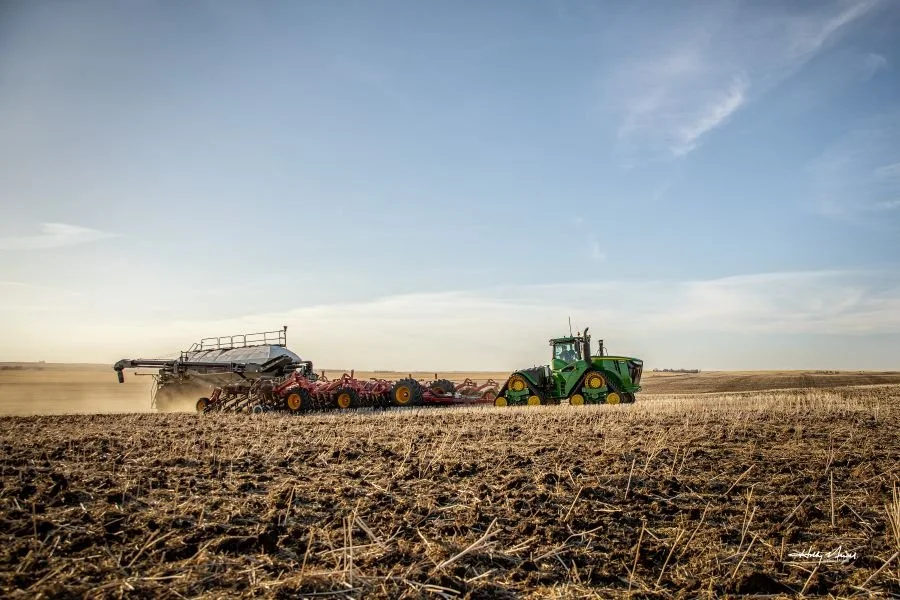
They know when a message has been shaped by people who understand the business and they know when it has not.
That’s the challenge with generic communication, whether it comes from outdated corporate messaging, surface-level market commentary, or AI-generated content that lacks industry context. It may sound polished at first glance, but if it misses the nuance, it loses credibility.
In agriculture, credibility matters. Trust is built when communication reflects a real understanding of the industry, the audience, the pressures producers face, and the decisions they are making.
The Details Matter
A strong message is not just about using the right words. It’s about understanding the environment those words are entering.
For an agribusiness, cooperative, food company, association, or emerging agtech business, effective communication requires more than a clean campaign line or a well-written announcement. It requires judgment.
It requires asking:
Does this message reflect the realities of the market?
Does it speak to the right decision-maker?
Does it consider the operational pressures our audience is facing?
Does it respect the complexity of the issue?
Does it align with our business strategy?
Does it build trust, or does it sound like everyone else?

These details may seem small from the outside. But to an agriculture audience, they are often the difference between being taken seriously and being dismissed.
Authentic communication is rooted in context. It requires experience, listening, and the ability to connect business strategy with industry reality.
AI can help accelerate the process. But it cannot replace the judgment that comes from years of working inside agriculture, understanding the people, and recognizing what will actually resonate.
The Everyday Reality Is the Story
One of the most powerful things about agriculture is that the real story is often found in the everyday work.
It is found in the decisions made long before a product reaches the market. It is found in the logistics, production challenges, customer relationships, regulatory pressure, field-level feedback, and constant adaptation required to operate in this industry.
For agriculture businesses, the strongest communication often comes from telling the truth clearly.
The industry does not need more generic messaging. It needs communication that reflects the real pressures and opportunities shaping agriculture today including:
How companies are helping customers manage risk
How teams are responding to shifting markets
How products and services solve real operational problems
How leadership teams are navigating change
How organizations are building trust with producers, partners, investors, employees, and consumers
The more crowded the communication landscape becomes, the more valuable clear, credible, experience-based messaging will be.
Authenticity Builds Trust
In agriculture communications, authenticity is not just a brand preference. It is a trust signal.
Organizations that communicate authentically show their audiences they understand the industry. They are willing to speak with clarity. They are willing to acknowledge complexity. They are willing to lead with substance instead of relying on generic claims.
This matters for agribusinesses, food companies, agtech firms, industry associations, investors, boards, and leadership teams.
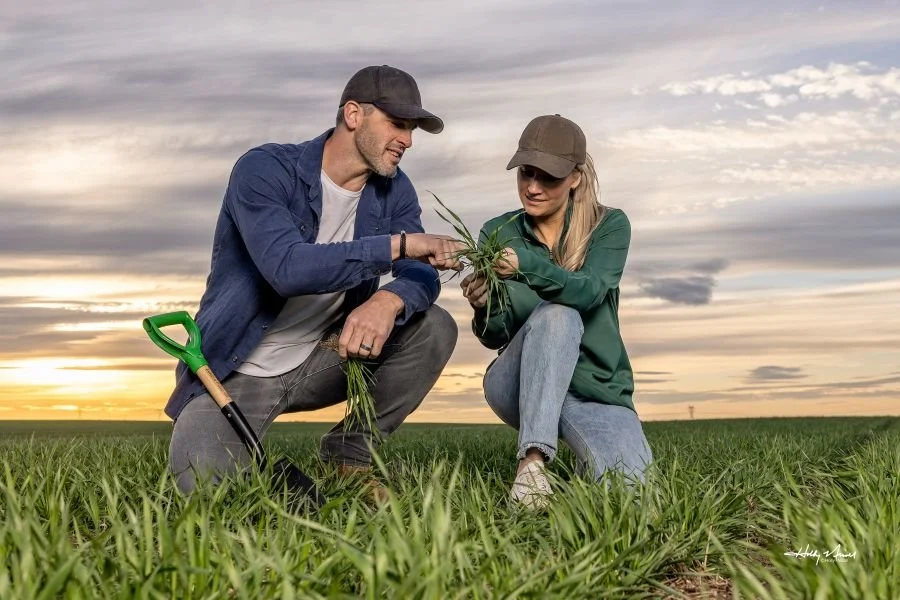
Authentic communication can help organizations:
Build credibility with agriculture and food system audiences
Strengthen trust with customers, partners, and stakeholders
Communicate complex issues with more clarity
Differentiate from competitors using generic messaging
Align leadership, marketing, sales, and communications teams
Support decision-making during periods of change
Create stronger connections between strategy and execution
Authenticity does not mean communication has to be casual, unpolished, or overly personal. It means the message reflects the business, the market, the audience, and the moment.
Your Organization Needs Its Own Point of View
One of the biggest limitations of AI is that it can generate information, but it does not inherently understand your organization’s lived experience.
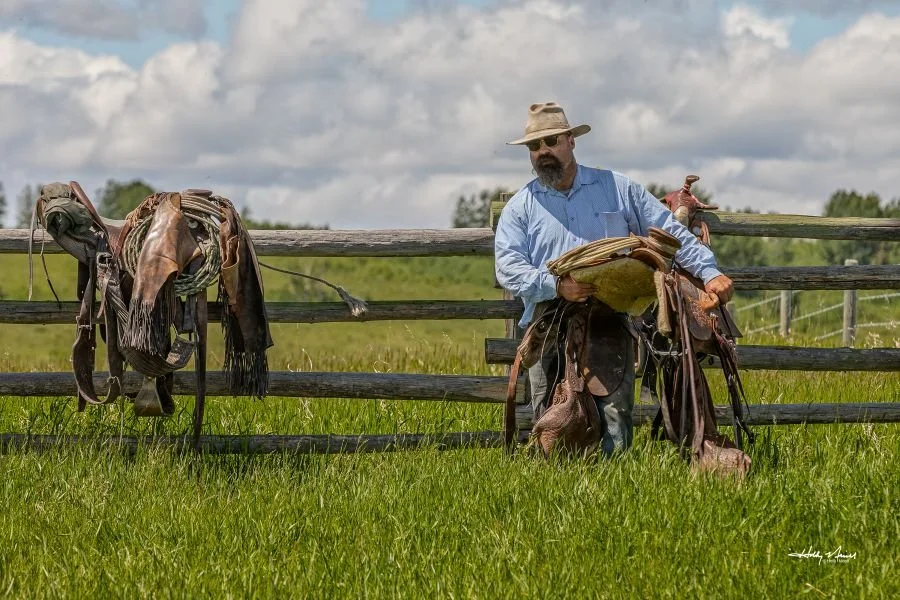
It can summarize an issue, but it does not know your customers.AI can draft a message, but it does not know your market position. It can generate strategic language, but it does not understand the trade-offs your leadership team is weighing. It can create content that sounds credible, but it cannot replace an informed point of view.
Your point of view is not something to outsource to a prompt. It is built through experience, customer insight, market knowledge, and leadership judgment. That point of view becomes a strategic asset.
It helps your organization communicate with confidence. It gives your team a clearer position in the market. It helps customers understand why your business matters. It gives stakeholders a reason to trust you.
In a crowded and increasingly automated content environment, sameness will become a risk.
If every organization uses the same tools, the same language, and the same generic narratives, the businesses with the clearest, most credible point of view will stand out.
AI Has a Place, But It Cannot Replace Experience
This is not about rejecting artificial intelligence. It can be a useful tool that can help with brainstorming, research organization, content planning, meeting summaries, scenario development, and first drafts. Used thoughtfully, it can help agriculture teams work faster and more efficiently. But AI should support the strategic process, not replace it.
Agriculture businesses still need experienced people who can ask better questions, challenge assumptions, interpret context, and understand how decisions play out in the real world.
This matters more in periods of complexity as agriculture faces tightening margins, shifting trade policies, rising input costs, sustainability demands, and increasing pressure to adapt. Calibrate exists to help bridge that gap by connecting agribusinesses and agri-food system leaders with experienced advisors who can step in with precision, solve challenges, and guide growth.
Real Expertise Will Matter More
As AI-generated content becomes more common, real expertise will become more valuable.
Agriculture audiences will continue to look for communication that feels grounded, specific, and trustworthy. Businesses will need advisors, leaders, and communicators who understand the complexity of the industry and can help translate that complexity into actions.
The organizations that will stand out are not necessarily the ones producing the most content. They will be the ones communicating with the most clarity.

About the Author
Holly Nicoll is an agriculture marketing leader and content strategist with 25+ years of experience across crop protection, livestock nutrition, agribusiness marketing, and authentic agriculture storytelling.