Lobbyist Shouldn’t be a Dirty Word
By Chelsea Good – Calibrate Associate
If you spend much time on social media or watching political ads during campaign season, you'll eventually hear someone use the word lobbyist like it's an insult. The implication is that lobbyists are shadowy figures pulling strings behind closed doors.
As someone who has spent my career advocating for agriculture, I find that frustrating.
The truth is much less dramatic. Most lobbyists spend their days reading legislation, attending meetings, explaining technical issues, connecting people with decision-makers, and making sure the voices of those affected by public policy are actually heard.
Farmers and ranchers don't have time to monitor the Federal Register every day for proposed rules that could affect their operations. An agriculture business may be excellent at producing a product or serving customers, but have no idea where to turn when they run into bureaucratic red tape or an unexpected regulatory hurdle. A local organization may know exactly what problem needs to be solved but not understand how the legislative or regulatory process works.
That's where advocacy comes in.
At its core, lobbying is about connecting the dots. It means bringing together the people making decisions with the people who will live with those decisions. It means translating complicated policy into real-world impacts. It means helping lawmakers understand how a proposal will affect a cattle producer in western Kansas, a dairy farmer in Wisconsin, or a feed mill in North Carolina.
Lawmakers and their staffs are expected to work on an incredible range of issues. On any given day, they may move from health care to taxes to transportation to animal agriculture. It is impossible for anyone to be an expert on every topic. They rely on people with firsthand knowledge to explain complex industries, answer questions, provide data, and offer practical perspectives.
That's not corruption. That's how representative government is supposed to work.
Of course, not everyone in agriculture agrees on every issue. We never have, and we never will. Different commodities, regions, and business models naturally lead to different priorities. Just because another agricultural organization hires a lobbyist or takes a different position than yours shouldn't automatically raise alarm. Healthy debate is part of a healthy democracy.
What should concern us is when agriculture doesn't show up at all.
The industries that consistently participate in the policymaking process are the ones whose concerns are understood. Those that don’t engage often discover too late that someone else defined the conversation for them.
Lobbyists don't make decisions. Elected officials do. Our job is to ensure those officials have access to accurate information, practical experience, and the perspectives of the people they represent. We connect. We amplify. We influence, not through secret deals, but through relationships, credibility, and facts.
Like any profession, there are good lobbyists and bad lobbyists. But the profession itself shouldn't be treated as something inherently suspect. When practiced ethically, lobbying is simply advocacy. It is one of the ways citizens, businesses, nonprofits, and industries participate in the democratic process.
Agriculture faces no shortage of challenges, from labor and trade to animal health, environmental regulations, and evolving consumer expectations. We need more people willing to explain our industry, build relationships, and engage in difficult conversations, not fewer.
Lobbyist shouldn't be a dirty word.
If anything, agriculture needs more thoughtful, credible advocates who are willing to stand up, speak clearly, and make sure the people producing our food have a seat at the table before decisions are made.
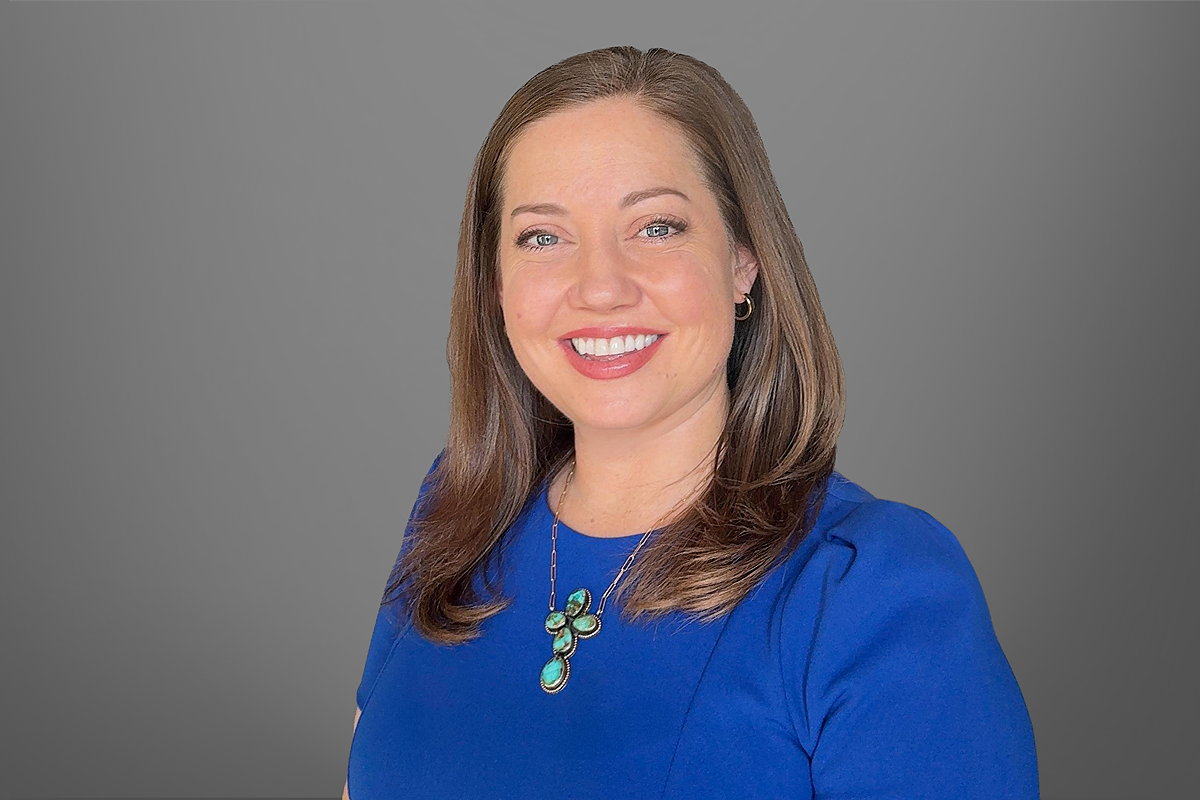
About the Author
Chelsea Good is an agriculture strategist, advocate, and attorney with more than 15 years of experience helping organizations navigate public policy, strengthen stakeholder relationships, and communicate with clarity and confidence. Drawing on experience across government affairs, industry associations, communications, and governance, she advises agricultural organizations on advocacy strategy, policy engagement, and leadership in an increasingly complex regulatory environment.