The Changing of the Guard in Agriculture — And How We’re Doing It Wrong
By Julia Hitman King – Calibrate Founder
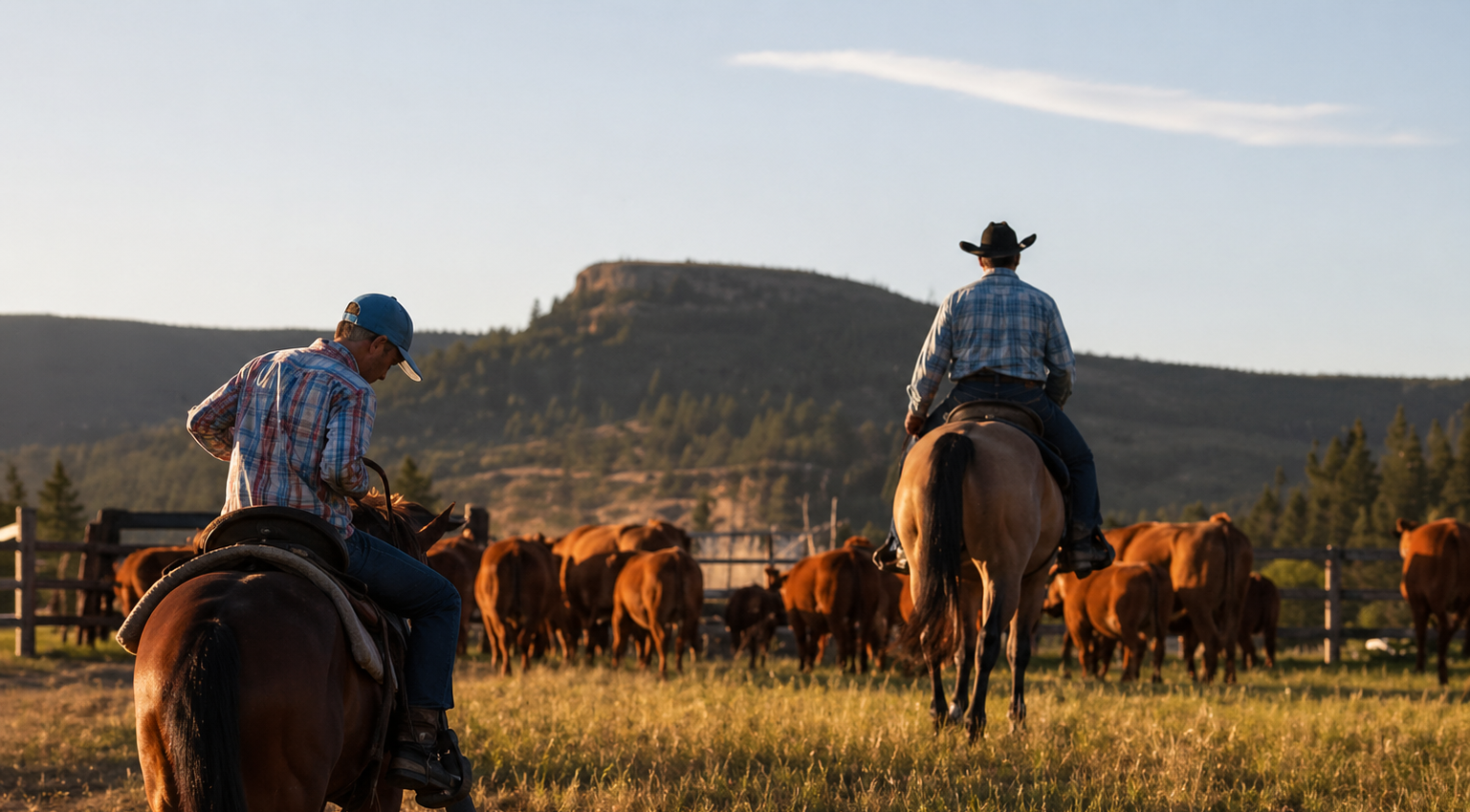
Walk into almost any agribusiness today and you’ll see it: four generations working side by side.
A Baby Boomer who has built decades of relationships.
A Gen X leader holding the operation together.
A Millennial driving execution.
A Gen Z employee pushing for change.
On paper, it looks like strength. In reality, we’re at risk of missing something critical. We are not being nearly intentional enough about how knowledge is transferred between them. And in agriculture, that’s not a small issue. It’s foundational.
Agriculture has always been built on legacy, land, relationships, instincts, and decision-making shaped over decades. That knowledge doesn’t live in systems. It lives in people. And too often, it leaves with them.
The current conversation around generational transition focuses heavily on succession, leadership pipelines, and workforce development. But what’s missing is a real focus on how knowledge moves from one generation to the next. Because it doesn’t happen automatically.
Right now, in many organizations, knowledge transfer is assumed rather than designed.
We assume younger employees will “pick it up.”
We assume experienced leaders will “share what they know.”
We assume proximity equals learning.
And we all know how dangerous assumptions can be.
Without intention, knowledge transfer becomes secondary to execution. The work gets done, but the experience behind it isn’t shared, and over time, the most valuable insights quietly disappear.
At the same time, we’re asking the next generation to move faster than ever. Adopt new technology. Make decisions with incomplete information. Navigate more complexity than any generation before them. But we’re not equipping them with the context that makes good decisions possible.
That’s the gap. And let’s not label this as a generational problem. It is a leadership problem.
Because knowledge transfer doesn’t happen through good intentions. It happens through structure, through intentional mentorship in both directions, exposure to real decision-making, shared problem-solving rather than siloed work, and creating space for questions, not just expectations.
But this requires a mindset shift. Prioritizing experience alongside innovation. It’s about recognizing that agriculture doesn’t move forward without both. The most valuable knowledge in agriculture still lives in people, not systems. Now imagine the power behind both.
The future of agriculture won’t be defined by one generation replacing another. It will be defined by how well they work together in the time they overlap. Because this moment, where experience and innovation exist at the same time is temporary and once it passes, it’s gone.

About the Author
Julia Hitman King is a marketing and growth advisor with deep expertise in agribusiness, helping organizations sharpen positioning, clarify their story, and translate strategy into market momentum across agriculture and the food system.